
4 hr
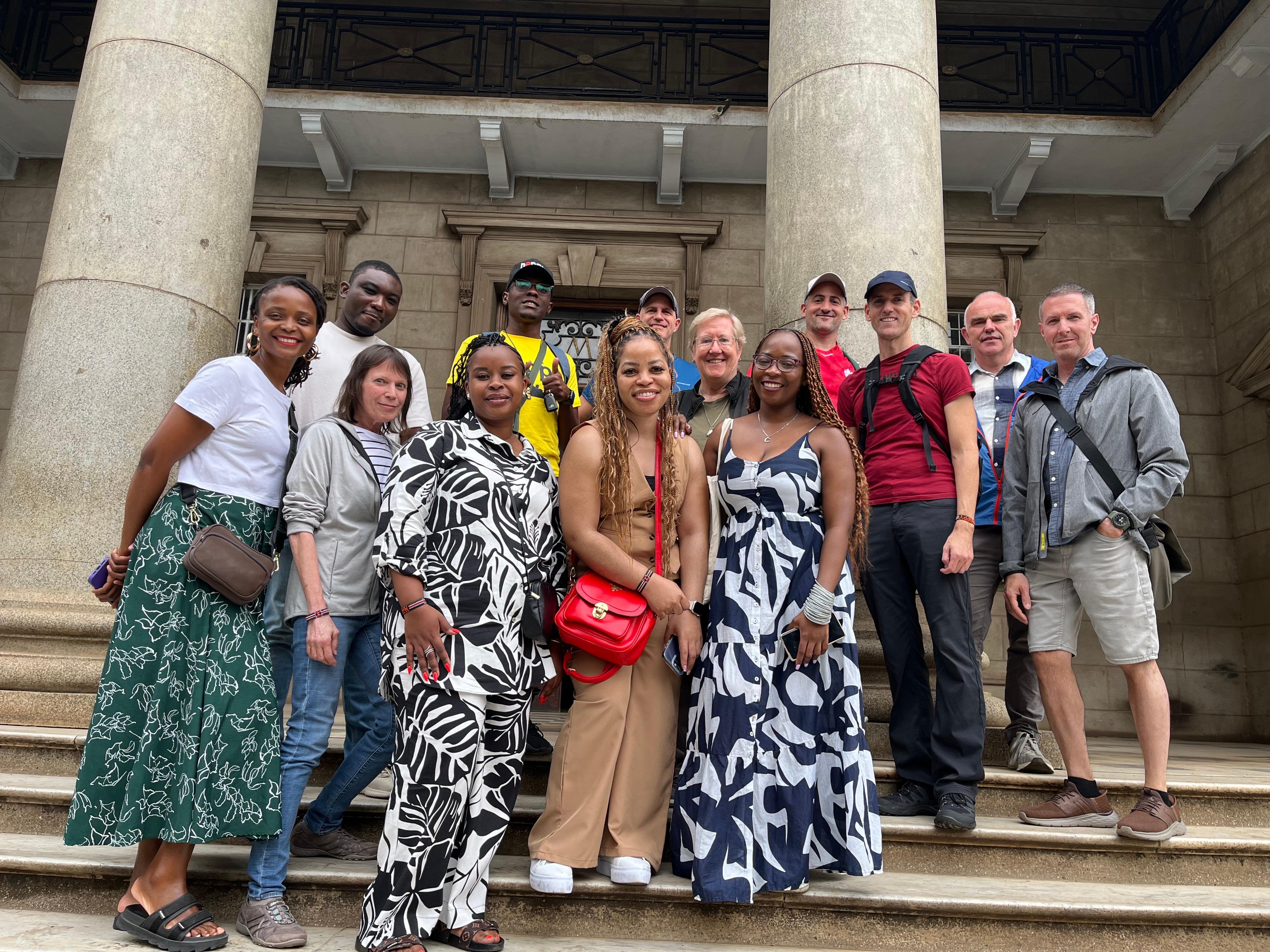
Nairobi Walking Tour: History, Culture & Modern City
Explore Kenya's capital on foot with expert local guides, visiting historic landmarks and bustling markets
Reserve

Hand-picked by our editors — only the best 5 heritage walking experiences from 47 reviewed.
Verified partners for every tour, free cancellation where available, and instant confirmation on every booking.
4 hr
Explore Kenya's capital on foot with expert local guides, visiting historic landmarks and bustling markets
Reserve
4 hr
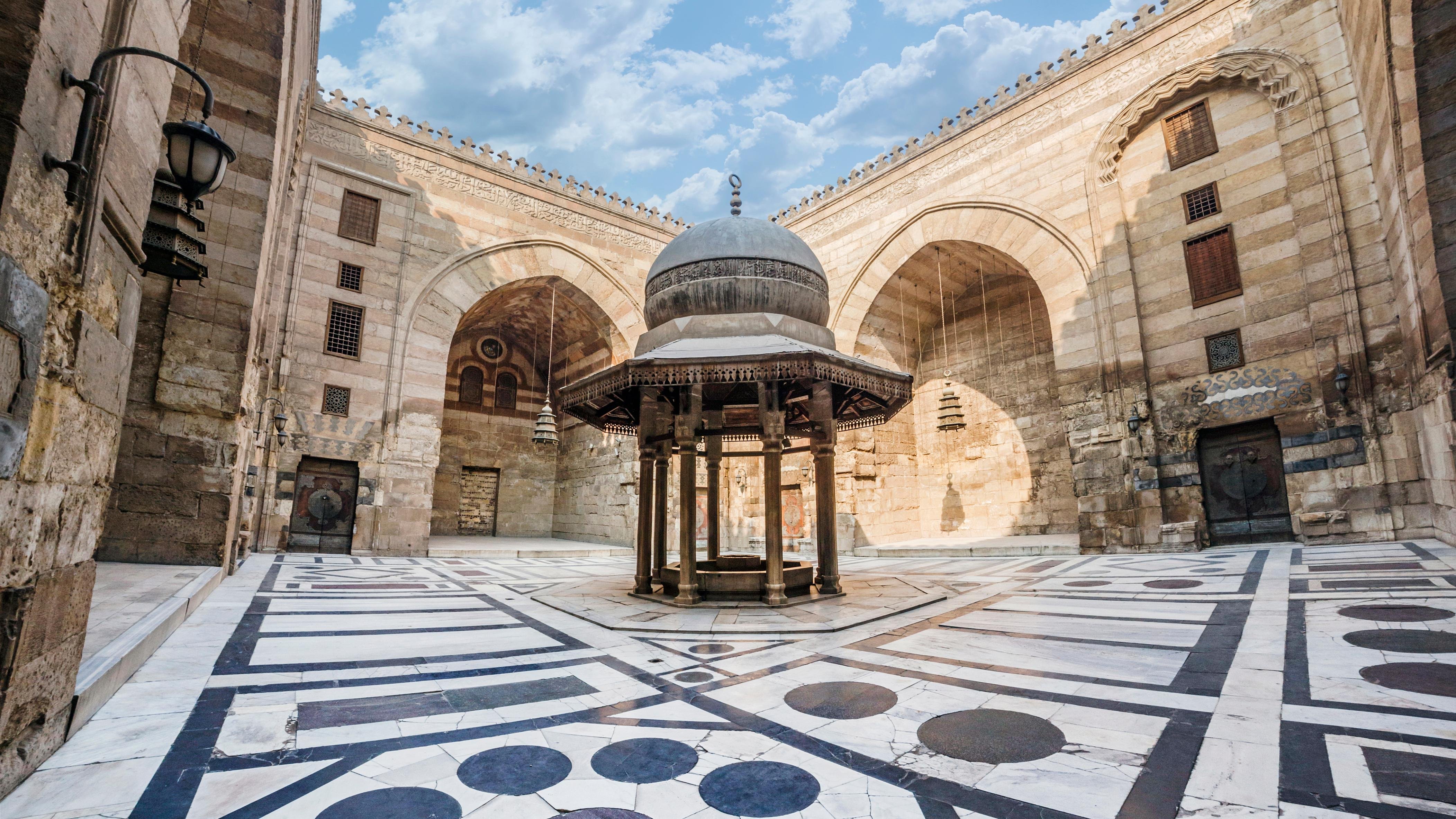
Discover medieval Cairo's mosques, Ottoman mansions, and vibrant markets with an Egyptologist guide
Reserve
4 hr
Discover the township's powerful history, meet residents, and savor authentic cuisine on this guided walk
ReservePrices from verified partners. Availability updates in real time at checkout. Free cancellation policies apply where shown.
The landmarks, rooms, and views travelers on this tour remember — all visible on a single visit.
This historic square serves as the primary meeting point for the little africa free walking tour and features colonial-era architecture.
A neoclassical cultural center showcasing the architectural evolution of Rio de Janeiro.
Recognized as the birthplace of samba, this site is central to Afro-Brazilian religious and musical heritage.
A UNESCO World Heritage site, this wharf was the primary landing point for enslaved Africans in the Americas.
A traditional square that serves as a living hub for Afro-Brazilian culture and local gastronomy.
These experiences complement each other; visitors who prioritize group dynamics enjoy the little africa free walking tour, while those seeking customized Rio de Janeiro landmarks exploration prefer private alternatives.
| Feature | Top pick Little Africa Free Walking Tour | Private Little Africa Historical Tours |
|---|---|---|
Cost |
0 BRL plus tips | Variable fixed pricing |
Payment Model |
Post-tour gratuity | Pre-paid booking |
Group Size |
Large public group | Private party only |
Depth of Historical Narrative |
Standard overview | In-depth curated focus |
Flexibility |
Fixed schedule | Highly customizable schedule |
Duration |
2.5 hours | 2–4 hours |
| See tickets → |
Verdict: Select the little africa free walking tour tours for social engagement, or opt for private little africa free walking tour tickets if you require exclusive access to cultural heritage sites.
Choose your ticket, select your date, and reserve in under two minutes. Secure checkout handled by our verified partner.
Instant confirmation by email, with a mobile voucher you can save offline. No printing, no queuing at a collection desk.
Arrive at the entrance, show your voucher on your phone, and walk in. Most tickets include priority or skip-the-line access.
Practical details for your visit straight from our verified partners — hours, access, rules, and how to get there.
Wear comfortable walking shoes suitable for uneven colonial streets. Lightweight, breathable clothing is recommended for the humid Rio climate during your little africa free walking tour.
Keep belongings minimal and secure at all times. Avoid carrying large backpacks, as the little africa free walking tour involves navigating crowded urban squares and narrow alleyways.
Photography is permitted throughout the public route. Capture the vibrant street art and historic architecture that define the little africa free walking tour itinerary.
The terrain includes historic cobblestones and inclines which may be challenging. Please inform your guide of any mobility needs before starting the little africa free walking tour.
The little africa free walking tour is suitable for families interested in history. Parents should manage children near busy traffic zones typical of the downtown port area.
Carry a reusable water bottle to stay hydrated during the afternoon heat. Several local vendors and cafes are accessible near the little africa free walking tour route.
Best time to go, insider tips, nearby landmarks, and the cancellation fine print — flip through to skim what matters to you.
Flexible, no hidden fees.
Since this is a tip-based experience, no formal cancellation fee applies. Guests are encouraged to notify the operator if they cannot attend their little africa free walking tour booking.
Rio's Zona Portuária once received more enslaved Africans than any harbor in the Americas — nearly one million souls passed through Cais do Valongo between 1811 and 1831. The wharf lay buried under landfill for a century until construction crews for the 2016 Olympics unearthed its stone jetty, restoring the site to UNESCO World Heritage status in 2017. Today the district known as Little Africa spans a compact triangle between Praça Mauá and Pedra do Sal, where descendants of those who disembarked have built a living archive of Afro-Brazilian culture. The neighborhood earned its moniker in the early twentieth century when recently freed communities established mutual-aid societies, samba circles, and Candomblé terreiros in the tenements surrounding the docks. Pedra do Sal — a weathered granite outcrop above the port — became the birthplace of samba as we recognize it: informal rodas de samba gathered here each Monday evening, blending Angolan semba rhythms with Brazilian percussion. Donga and Pixinguinha, architects of modern samba, honed their craft on these cobblestones. The rock itself served a utilitarian purpose in colonial centuries — enslaved laborers loaded salt onto ships from this natural loading bay, giving the site its name. Instituto Pretos Novos, a small memorial museum on Rua Pedro Ernesto, occupies the former grounds of a cemetery where an estimated six thousand Africans who perished shortly after arrival were interred between 1769 and 1830. The institute's founders discovered skeletal remains during home renovations in 1996, prompting archaeological excavation and the creation of a research center. Visitors encounter forensic displays documenting mortality rates, cargo manifests, and the physical toll of the Middle Passage. Little Africa tour routes typically depart from Praça XV de Novembro and proceed north through the Saúde neighborhood, pausing at Igreja de Santa Rita — a rococo chapel whose brotherhood included freed Africans — before concluding at Cais do Valongo. The district's revival accelerated after the Porto Maravilha urban renewal project cleared elevated highways and restored colonial streetscapes. Murals by local artists now adorn warehouse façades, and the Museu de Arte do Rio anchors the waterfront cultural corridor. The twice-weekly Little Africa free walking tour schedule allows independent travelers to explore the port zone with guides who interpret the layered archaeology and living traditions of Rio's African diaspora.
"Nearly one million enslaved Africans passed through Cais do Valongo between 1811 and 1831 — the wharf lay buried for a century until 2016 Olympic construction unearthed its stone jetty."
A step-by-step walkthrough of the visit — what you'll see, how long each stage takes, and the details that matter.
You meet your guide at Praça XV de Novembro beneath the jacaranda trees, where colonial merchants once auctioned goods unloaded from the harbor. The group sets off north along Rua Sacadura Cabral, passing the blue-and-white azulejo façade of Igreja de Santa Rita. Your guide explains how the chapel's brotherhood purchased freedom for enslaved members through collective savings, a practice known as coartação. Ten minutes uphill you reach Pedra do Sal, the granite outcrop where enslaved laborers shouldered sacks of salt onto waiting ships. Faded graffiti and mosaic tiles cover the rock face today. Your guide gestures toward the tenement windows above — these compact homes housed the dock workers and samba pioneers who transformed the neighborhood into a cradle of Afro-Brazilian music. If you visit on a Monday evening, you will find impromptu samba rodas here, but Wednesday and Thursday afternoon tours offer quieter reflection. The route descends toward the waterfront, stopping at Instituto Pretos Novos. Inside the dimly lit memorial, glass panels protect skeletal remains and ceramic shards recovered from the burial ground. Your guide translates archival documents estimating that twenty to thirty percent of newly arrived Africans perished within days of disembarkation, their bodies interred in shallow mass graves. You conclude at Cais do Valongo, where the UNESCO-protected stone jetty emerges from the pavement. Offerings — flowers, candles, cowrie shells — cluster at the water's edge. The guide allows time for photographs before the group disperses near Museu de Arte do Rio, the tour ending after two and a half hours of walking.
The little africa free walking tour operates on Wednesday and Thursday from 14:30 to 17:00.
The tour is tip-based, meaning you decide the value of the experience at the end. You pay 0 BRL upfront to join the little africa free walking tour.
No, booking is optional for the little africa free walking tour; you can simply arrive at the meeting point.
The little africa free walking tour departs from Praça XV de Novembro.
Yes, families are welcome on the little africa free walking tour, though the route involves walking on uneven historic pavement.
Yes, you are encouraged to document your little africa free walking tour experience through photography.
Plan to arrive at the meeting point by 14:30 to join the little africa free walking tour promptly.
Public facilities are limited; it is advised to use restrooms before the little africa free walking tour commences.
While optional, a tip of 5-10 USD is customary for a quality little africa free walking tour experience.
The little africa free walking tour typically proceeds in light rain; check with your guide regarding severe weather conditions.