2 hr 30 min
Little Africa Heritage Walking Tour
Discover Rio's Afro-Brazilian roots through historic neighborhoods where samba was born
Reserve
Hand-picked by our editors — only the best 5 heritage walks from 12 reviewed.
Verified partners for every tour, free cancellation where available, and instant confirmation on every booking.
2 hr 30 min
Discover Rio's Afro-Brazilian roots through historic neighborhoods where samba was born
Reserve
3 hr
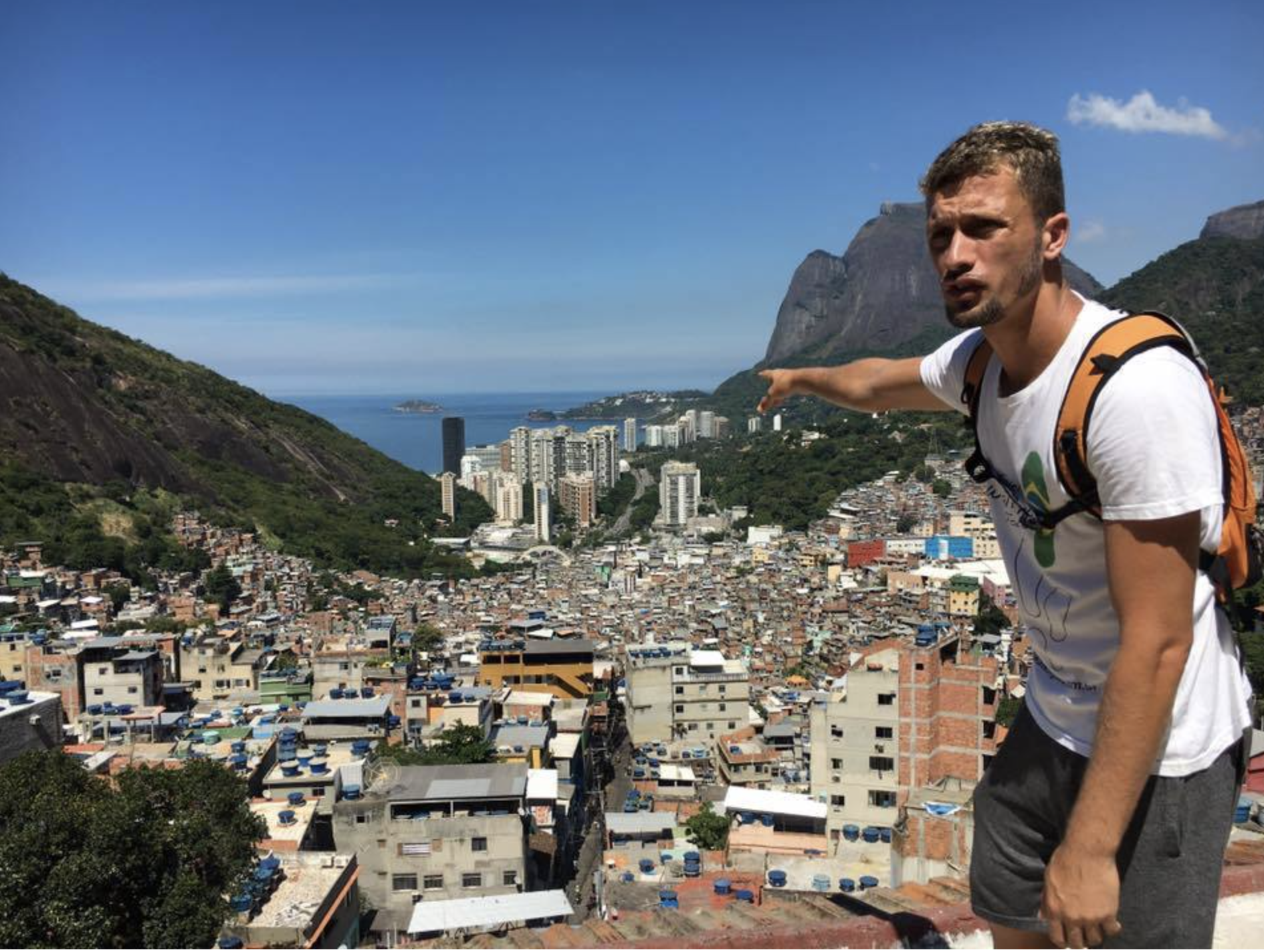
Discover Rio's largest favela through the eyes of residents on this educational walking experience
Reserve
2 hr 30 min
Explore Rio's African legacy through historic sites where enslaved people shaped Brazilian culture
ReservePrices from verified partners. Availability updates in real time at checkout. Free cancellation policies apply where shown.
The landmarks, rooms, and views travelers on this tour remember — all visible on a single visit.
This UNESCO World Heritage site was the primary entry port for over a million enslaved Africans and remains a sobering place of memory.
Known as the cradle of samba, this historic square was home to the first urban quilombo and hosts traditional music gatherings.
A traditional square that once hosted community gatherings and is now a popular spot to experience local Afro-Brazilian culture.
This cultural center preserves the history of the cemetery used for enslaved people who died shortly after arriving at the port.
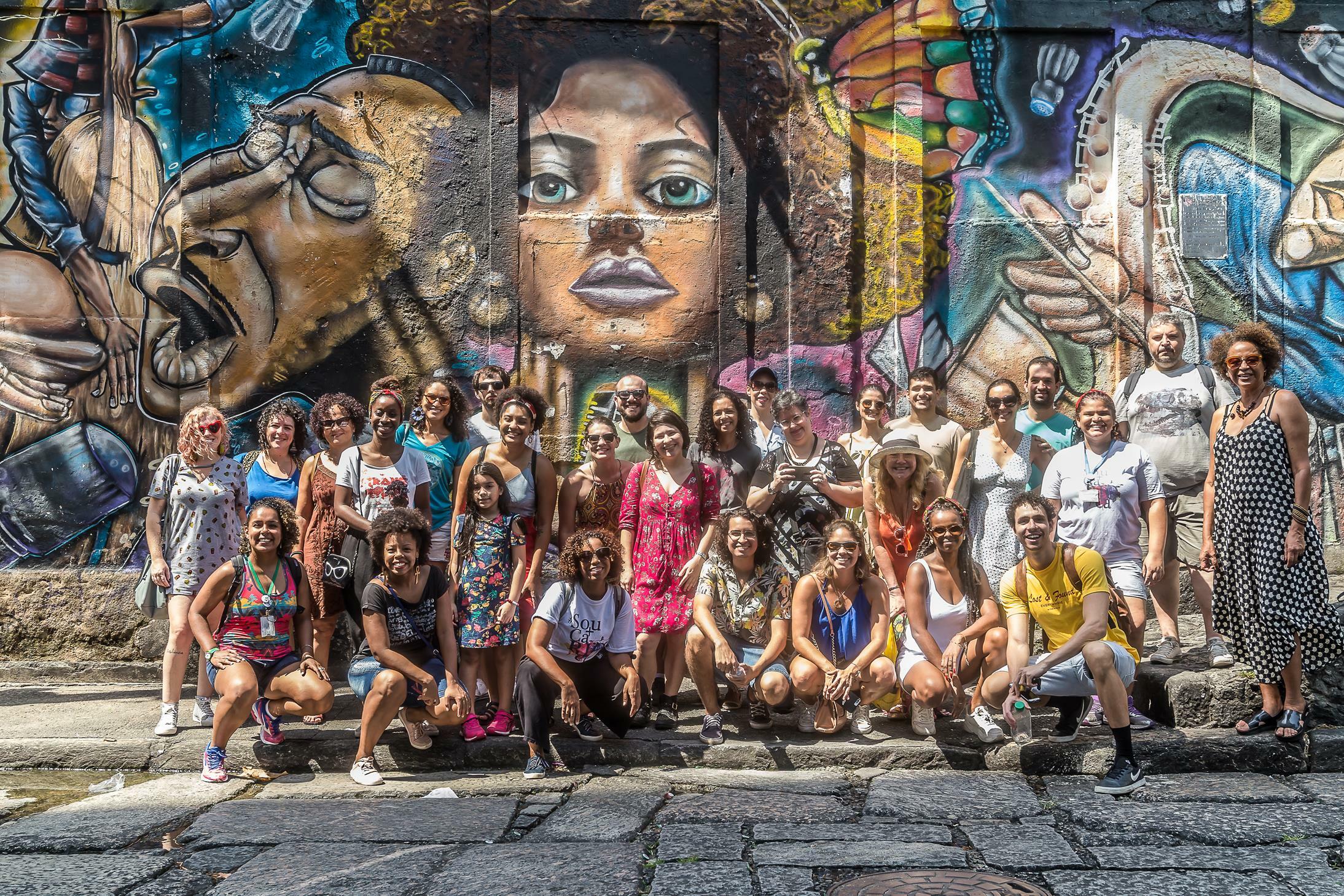
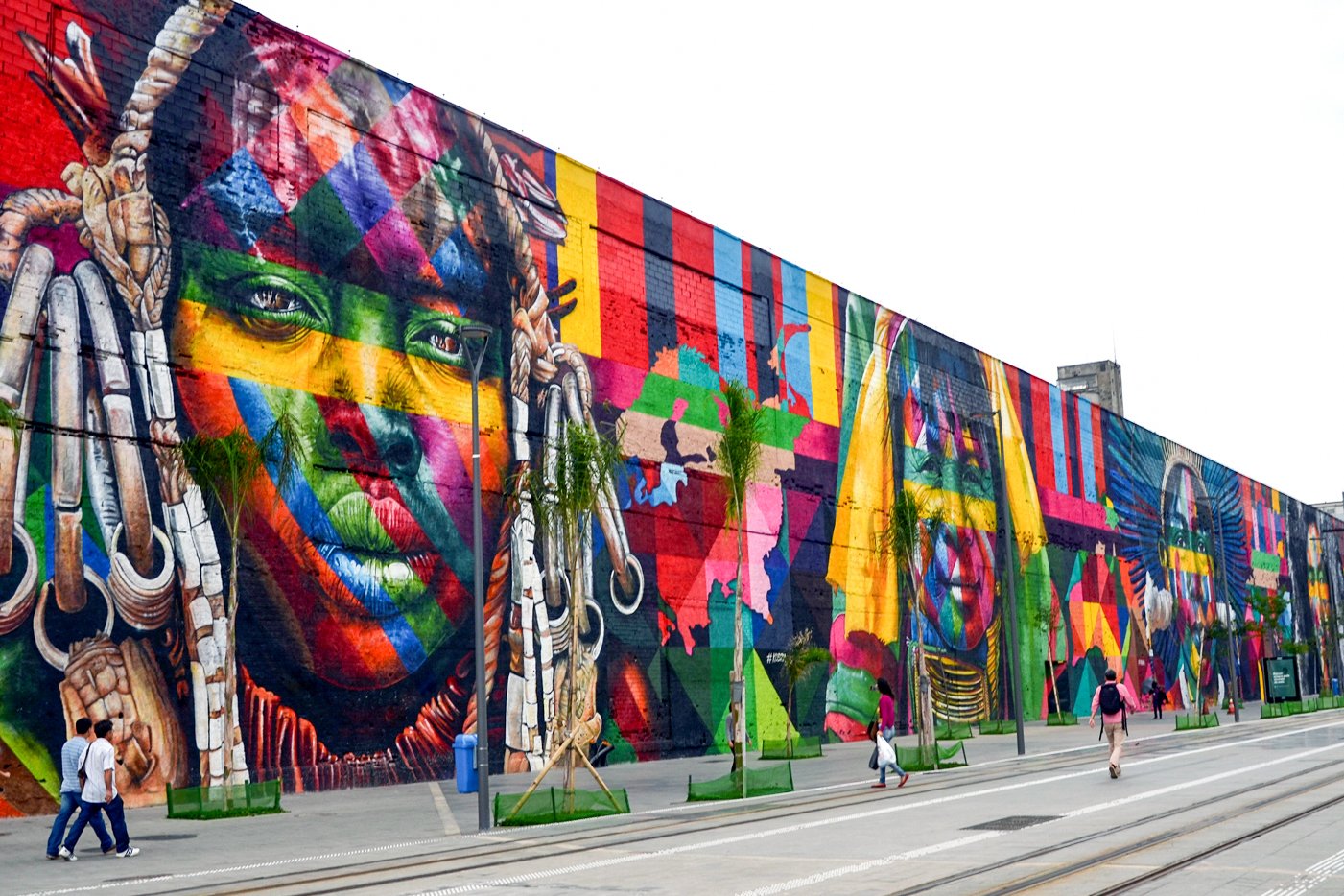
This hilltop neighborhood offers panoramic views of the port and showcases a mix of colonial houses and street art.
The Little Africa walking tour rio de janeiro provides a deep dive into ancestral heritage, whereas the Rocinha experience centers on contemporary community dynamics; most visitors who do both find the heritage trail more educational.
| Feature | Top pick Little Africa | Rocinha Tour |
|---|---|---|
Historical Focus |
Deep colonial and slavery era focus | Modern urban and socioeconomic history |
Social Context |
Institutionalized Afro-Brazilian history | Present-day favela life and development |
Cultural Sensitivity |
High reverence for ancestral heritage | Balanced community ethics and respect |
Typical Duration |
2–3 hours | 3–4 hours |
Walking Intensity |
Moderate with flat terrain | High with hills and stairs |
Interaction Type |
Observational and educational storytelling | Community-engaged and localized immersion |
| See tickets → |
Verdict: Choose the Little Africa walking tour rio de janeiro tours if your primary goal is historical research, or opt for the favela walk if you seek to understand current societal realities via a little africa walking tour rio de janeiro tour perspective.
Choose your ticket, select your date, and reserve in under two minutes. Secure checkout handled by our verified partner.
Instant confirmation by email, with a mobile voucher you can save offline. No printing, no queuing at a collection desk.
Arrive at the entrance, show your voucher on your phone, and walk in. Most tickets include priority or skip-the-line access.
Practical details for your visit straight from our verified partners — hours, access, rules, and how to get there.
Wear light, breathable clothing and comfortable walking shoes suitable for cobblestone streets in the little africa walking tour rio de janeiro area. Sun protection, including hats and high-SPF sunscreen, is essential as there is limited shade.
Keep belongings secure and close to your body in a crossbody bag or front-facing backpack while exploring the little africa walking tour rio de janeiro districts. Avoid displaying expensive electronics or jewelry to maintain safety.
Photography is permitted and encouraged at all outdoor landmarks within the little africa walking tour rio de janeiro region. Please be respectful of residents and local worshippers when taking photos near sacred sites.
The little africa walking tour rio de janeiro region features historic uneven cobblestone pavements which may be challenging for wheelchair users. Visitors with limited mobility should plan their route to prioritize flatter, paved areas of the Port Region.
The area is educational for older children and teens interested in history, though the lack of dedicated restrooms and constant sun exposure requires extra planning. Strollers may be difficult to maneuver on the historic stone paths.
Numerous local bars and restaurants can be found near Largo da Prainha, perfect for sampling traditional Afro-Brazilian cuisine. Always carry a reusable water bottle to stay hydrated during your little africa walking tour rio de janeiro.
Best time to go, insider tips, nearby landmarks, and the cancellation fine print — flip through to skim what matters to you.
Flexible, no hidden fees.
As this is a public historical region with 0 BRL entrance fee, there is no formal cancellation policy. If you book a private Little Africa walking tour rio de janeiro, please check your specific operator's terms.
Between 1811 and 1831, over half a million enslaved Africans passed through Valongo Wharf in Rio's port district, the largest slave-trade landing site in the Americas. The neighborhoods of Saúde, Gamboa, and Santo Cristo absorbed wave after wave of Yoruba, Bantu, and Fon peoples, who rebuilt kinship networks in tenement houses and founded Brazil's first Candomblé temples behind shuttered doors. By the 1870s, freed dockworkers and Bahian migrants had transformed the zone into Pequena África—Little Africa—a cradle of Afro-Brazilian religion, music, and mutual aid. Today the area holds the densest concentration of African diaspora heritage sites in South America. Pedra do Sal, a granite outcrop where stevedores gathered after shifts, became the open-air birthplace of samba in the early 1900s. Composer Pixinguinha and vocalist Tia Ciata hosted rodas de samba in nearby tenements, blending Yoruba rhythms with Portuguese guitar. The Instituto Pretos Novos, a small museum on Rua Pedro Ernesto, occupies the site of a cemetery where 6,000 newly arrived Africans were buried between 1769 and 1830. Archaeologists unearthed the remains in 1996 during home renovations, and the site now holds Brazil's only memorial dedicated to victims of the Middle Passage. Walking the port district reveals layers of resistance and reinvention. Gamboa's Jardim Suspenso do Valongo, a raised garden above the old wharf, opened in 2012 during street renovations for the Olympics. Beneath the modern plaza, exposed cobblestones mark the original landing dock, now a UNESCO World Heritage Site. Santo Cristo's Largo de São Francisco da Prainha, a colonial-era square, hosts weekly percussion circles that draw percussionists from across the city. The district's pastel rowhouses, many dating to the 1880s, shelter community centers, samba schools, and capoeira academies that continue traditions forged in the shadow of enslavement. Guided heritage routes through Pequena África connect fragmented histories into a spatial narrative. The port's industrial decline in the mid-20th century left the neighborhoods economically isolated, but recent investment in the Porto Maravilha revitalization project has brought new museums and pedestrian corridors. A little africa walking tour rio de janeiro tour typically covers two to three kilometers on foot, linking sites that tell the story of how African cultural memory survived and reshaped urban Brazil.

"Over half a million enslaved Africans passed through Valongo Wharf between 1811 and 1831, making it the largest slave-trade landing site in the Americas"
A step-by-step walkthrough of the visit — what you'll see, how long each stage takes, and the details that matter.
You begin at Praça Mauá, where the Museum of Tomorrow's white ribs curve above the waterfront. Your guide leads you west along Avenida Barão de Tefé, past shipping containers and renovated warehouses, then turns inland toward Gamboa. Within five minutes the grid narrows. You arrive at Jardim Suspenso do Valongo, where glass panels protect exposed cobblestones—the original wharf stones, polished smooth by feet and seawater. Your guide explains the archaeological discovery, pointing out the layers visible beneath the raised garden. You continue uphill to Pedra do Sal, a granite outcrop shaded by mango trees. On Monday evenings this plaza fills with drummers, but in daylight you see the worn stone steps where dockworkers gathered after shifts in the 1800s. Your guide recounts the story of Tia Ciata, whose home near here hosted the rodas de samba that gave birth to Brazil's national music. You walk two blocks to the Instituto Pretos Novos, a modest rowhouse museum. Inside, glass floors reveal skeletal remains and ceramic shards from the burial ground below. The curator explains how 6,000 bodies were interred here between 1769 and 1830. The route ends at Largo de São Francisco da Prainha, a colonial square flanked by pastel facades. Your guide points out the Igreja de São Francisco da Prainha, a 17th-century chapel, then wraps up with recommendations for nearby samba venues and capoeira schools.
The region itself is a public space with 0 BRL entrance fee, though private guided little africa walking tour rio de janeiro services will charge a professional fee.
As a public area in the Port Region, the neighborhood is accessible 00:00–23:59, but we recommend visiting during daylight hours.
We advise starting between 08:00–16:00 to maximize safety and visibility for your little africa walking tour rio de janeiro experience.
No little africa walking tour rio de janeiro tickets are required for the neighborhood itself, but booking a guide ensures historical context.
The port area is generally safe during the day, but it is best to stick to well-traveled routes during a little africa walking tour rio de janeiro.
While the area is open 00:00–23:59, landmarks are best appreciated in daylight, so avoid nighttime walking tours.
Public restrooms are scarce in the historic streets, so use facilities at cafés or cultural centers before starting your little africa walking tour rio de janeiro.
The port area is easily reached by VLT (light rail) or taxi; check your specific tour's meeting point for exact arrival instructions.
Due to uneven stone paths throughout the little africa walking tour rio de janeiro, strollers are difficult to use.
Most tours last between 2 and 3.5 hours depending on the depth of the little africa walking tour rio de janeiro route chosen.